Wagner Group involvement
Following the withdrawal of French forces from Mali, the Malian government turned to Russia as its new strategic partner. In response, the Wagner Group, a Russian private military company linked to Russian security services, deployed to Mali in December 2021 with the backing of the Malian junta.
At its peak, Wagner reportedly had around 2,000 personnel in the country, including for active combat operations. Wagner’s presence was officially framed as providing military training and security assistance, however, it also served to consolidate the junta’s political position, secure financial and mineral concessions, and replace Mali’s longstanding security partnership with France.
Wagner, together with the Malian armed forces, has been accused of committing serious violations that may amount to war crimes and crimes against humanity. According to a fact-finding report by the Office of the United Nations High Commissioner for Human Rights (OHCHR), there are “strong indications” that over 500 people, predominantly civilians, were killed by Malian troops and foreign military personnel during a five-day anti-terrorist military operation conducted in the village of Moura in March 2022. The report also revealed that 58 women and girls were subjected to rape and other forms of sexual violence. A Malian investigation was opened on this matter but four years later nothing came out of it.
According to subsequent NGO reports, in 2024, Wagner forces, operating alongside the Malian armed forces, allegedly “deliberately killed at least 32 civilians, including seven in a drone strike, forcibly disappeared four others, and burned at least 100 homes” during military operations in central and northern Mali. They also reportedly arbitrarily executed at least 10 people, including three women and a child, in January 2025.
Despite the gravity of these allegations, these crimes have largely remained unpunished. The prosecution of Wagner crimes at the domestic level in Mali appears nearly impossible. Notwithstanding broader political and practical challenges, a key obstacle lies in the use of counter-terrorism laws and military legislation to address conducts that may amount to international crimes, thus shielding Malian forces and their allies, in particular the Wagner Group, from accountability. Second, Wagner personnel could have been granted immunity by Mali through opaque agreements between Mali and Russia. While the content of these agreements remains confidential, similar agreements in other countries suggest that Russian operatives are protected from local jurisdiction.
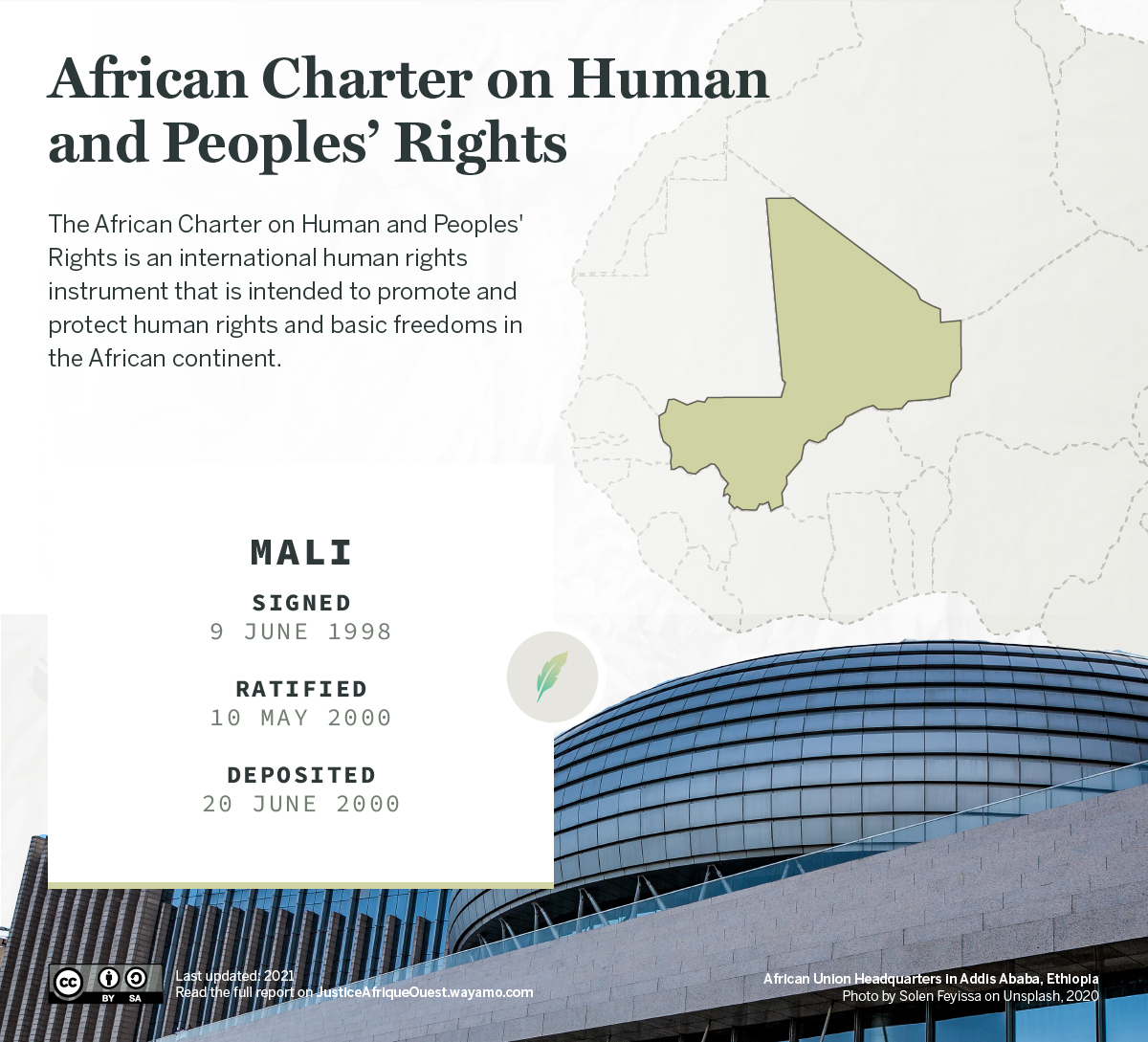
In light of these obstacles, alternative avenues at the regional and international level should be considered. In the past, the ECOWAS Court of Justice could have constituted a viable alternative but Mali recently withdrew from ECOWAS. Therefore, at the regional level, the only promising avenue would be the African Court on Human and Peoples’ Rights that still has jurisdiction over Mali.
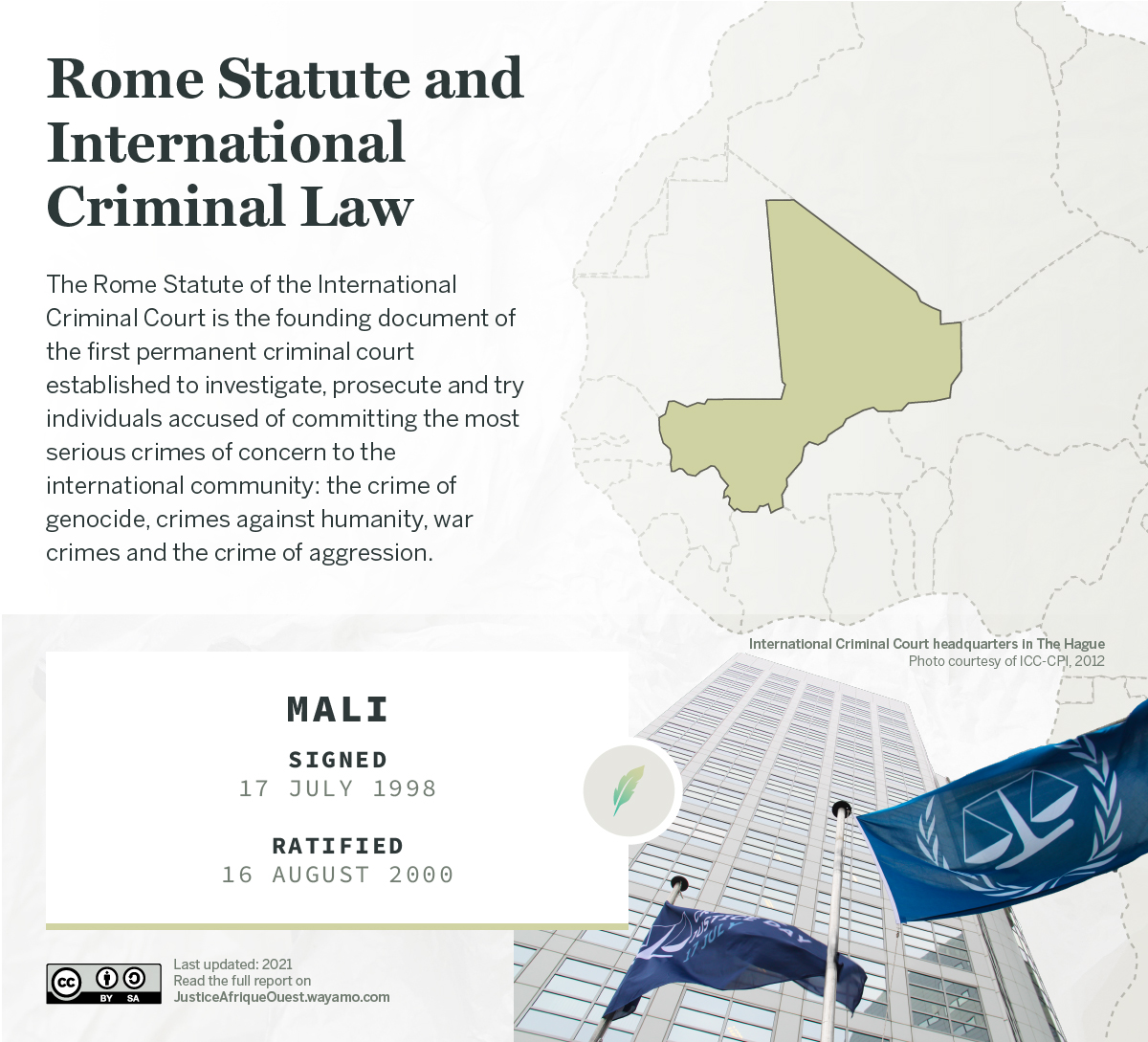
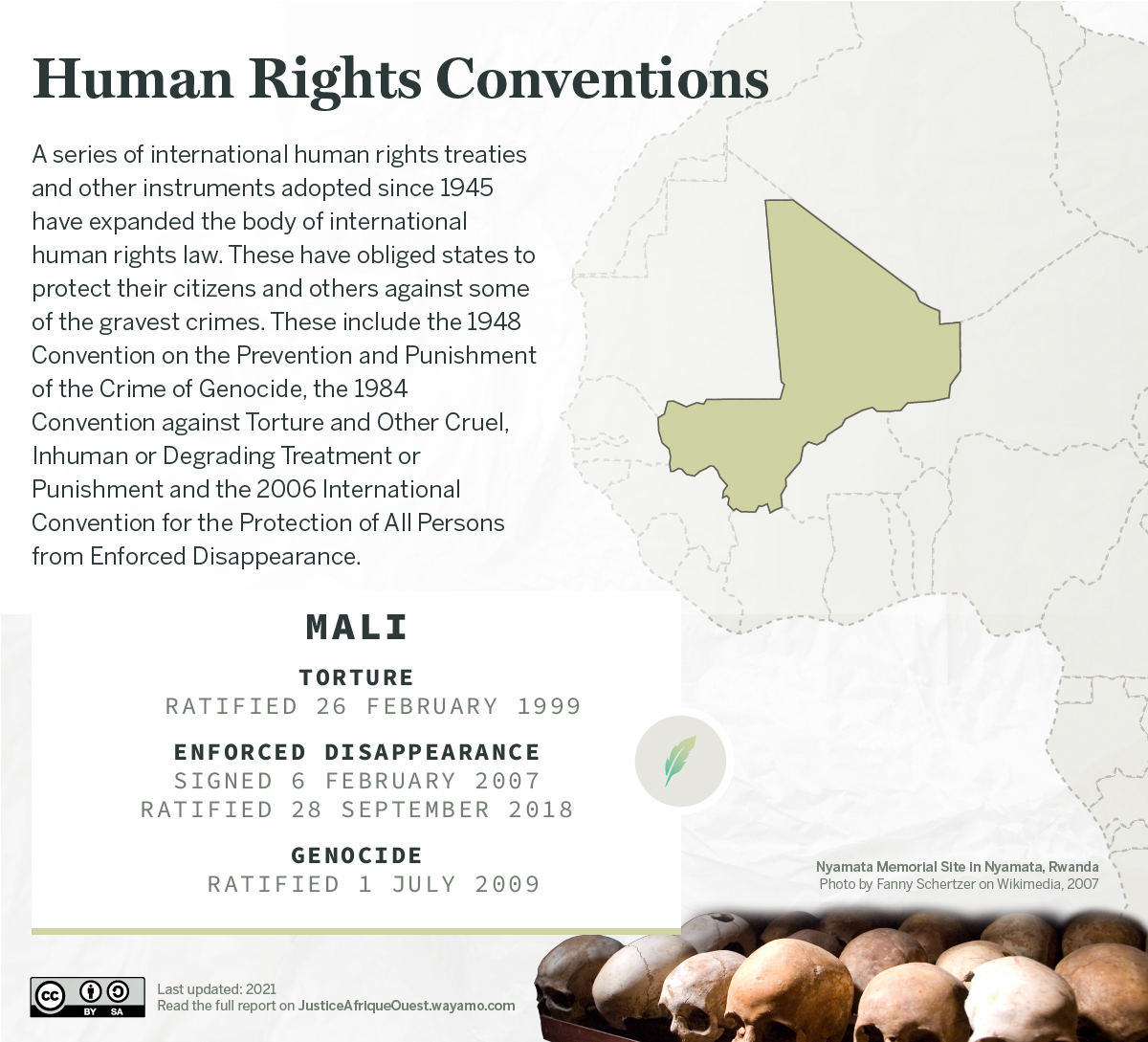
Other potential avenues include referring the case to the International Court of Justice, notably under the 1999 International Convention for the Suppression of the Financing of Terrorism, as well as engaging with the International Criminal Court. Although Mali expressed its intention to withdraw from the ICC, it has not yet done so officially and thus remains under its jurisdiction for the time being.
In June 2025, the Wagner Group announced the end of its nearly four-year deployment in Mali. However, this did not mark the end of Russia’s presence in Mali as the Wagner Group was replaced by the Africa Corps. This shift followed the 2023 rebellion led by Wagner’s leader, Yevgeny Prigozhin, and his subsequent death the same year, after which the Kremlin restructured Wagner’s operations in Africa under a new entity: the Africa Corps.
The Africa Corps is directly controlled by the Russian Ministry of Defense, allowing Russia to maintain its military presence and influence in Mali and across Africa. However, this restructuring also reduces the plausible deniability previously afforded by Wagner, making Russia more directly responsible for the crimes committed by its forces and potentially increasing the prospects for state responsibility.